
Separate the map, loan, and insurance questions
Compare three distinct records: the effective FEMA map, the lender's coverage determination, and the insurer's written quote for the building and buyer. Each answers a different question.
Federal interagency guidance explains that NFIP pricing under FEMA's Risk Rating 2.0 is no longer based on flood zone alone. A zone can still matter to mandatory-purchase rules, while private insurers may apply their own underwriting.
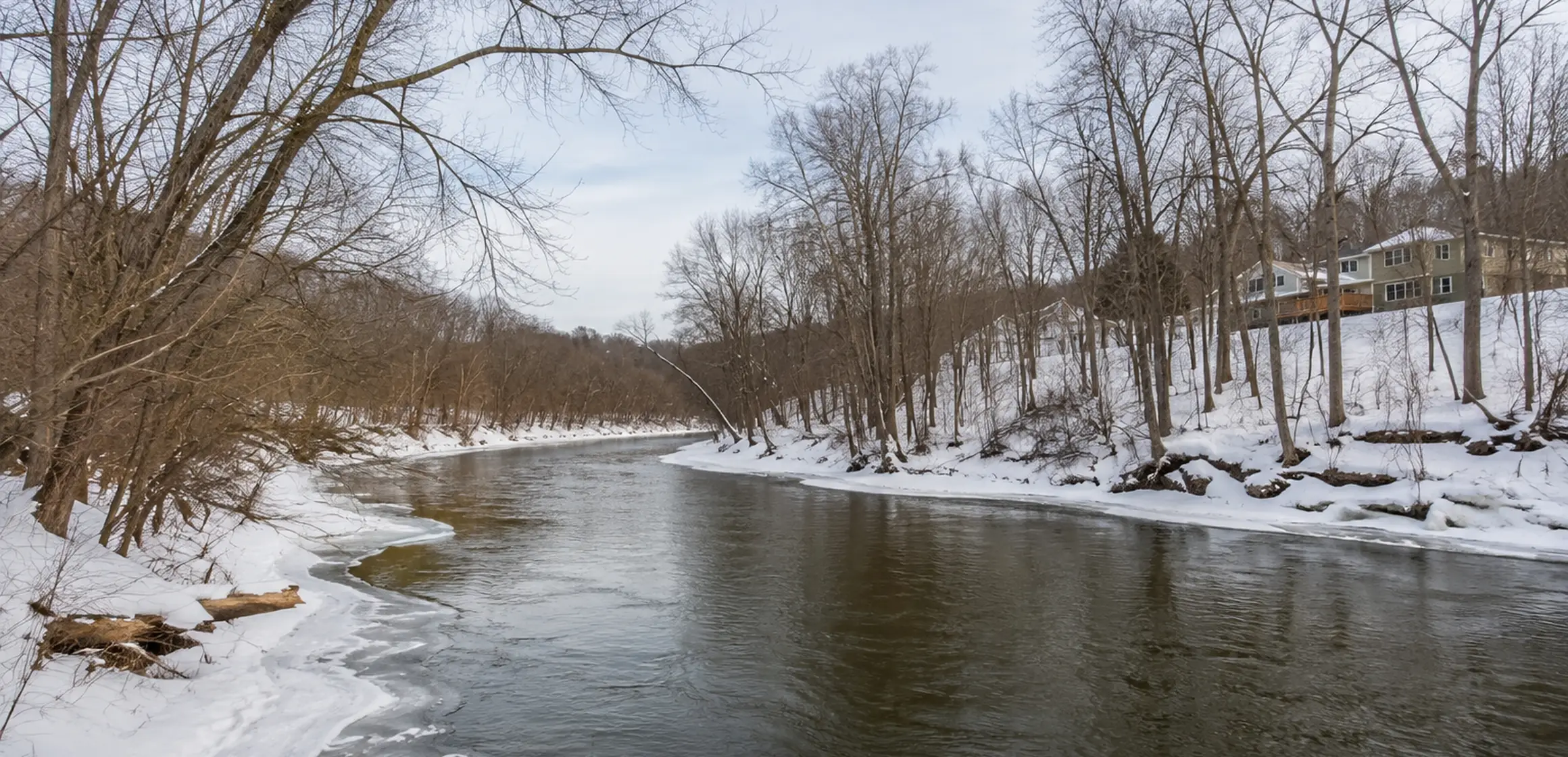
For an address near the Huron River or any mapped feature, review the exact structure and its records. A regional description cannot establish its drainage, water history, or policy cost.
Verify the property used for the quote
Use the FEMA Flood Map Service Center to record the current effective panel, zone, and any applicable map-change document. If the address marker is misplaced, locate the building manually and use MapWashtenaw only as a parcel-orientation aid.
Flood boundaries can cross a parcel without crossing the building. Ask the lender how its determination applies to the structure securing the loan; a map screenshot alone is insufficient.
Request quotes that can be compared
Ask a licensed insurance professional about available NFIP and private-market options and what building information is still needed. A seller's existing premium is background, not a promise of the buyer's price or coverage.
Compare proposals with consistent limits and deductibles, then review covered property, exclusions, waiting periods, effective dates, fees, and renewal considerations. Confirm separately that a proposed policy satisfies the lender's requirements.
Review water history separately
Review the seller's completed disclosure and available records of water intrusion, drainage work, sump equipment, insurance claims, and repairs with the relevant inspector or specialist. Use the inspection, not the policy quote, to assess the home's condition.
Distinguish river flooding, surface runoff, groundwater, sewer backup, seepage, and equipment failure. Coverage can differ by cause, so ask the insurance professional how the proposed policy applies to each one.
Put the written cost into the budget
Convert the actual annual premium to the same monthly or annual basis used for the other homes. Label homeowners and flood coverage clearly so neither is omitted or counted twice, and consider deductible exposure and maintenance separately.
Our payment calculator includes an annual insurance field. If you enter a combined homeowners-and-flood amount, label that assumption in your notes and update it when the final quotes change.
Keep professional roles clear
Keep the map references, disclosure questions, and written quotes in the transaction file. The lender, insurer, surveyor, inspector, Washtenaw County Water Resources Commissioner, municipality, or other responsible office remains the authority for its own determination.