
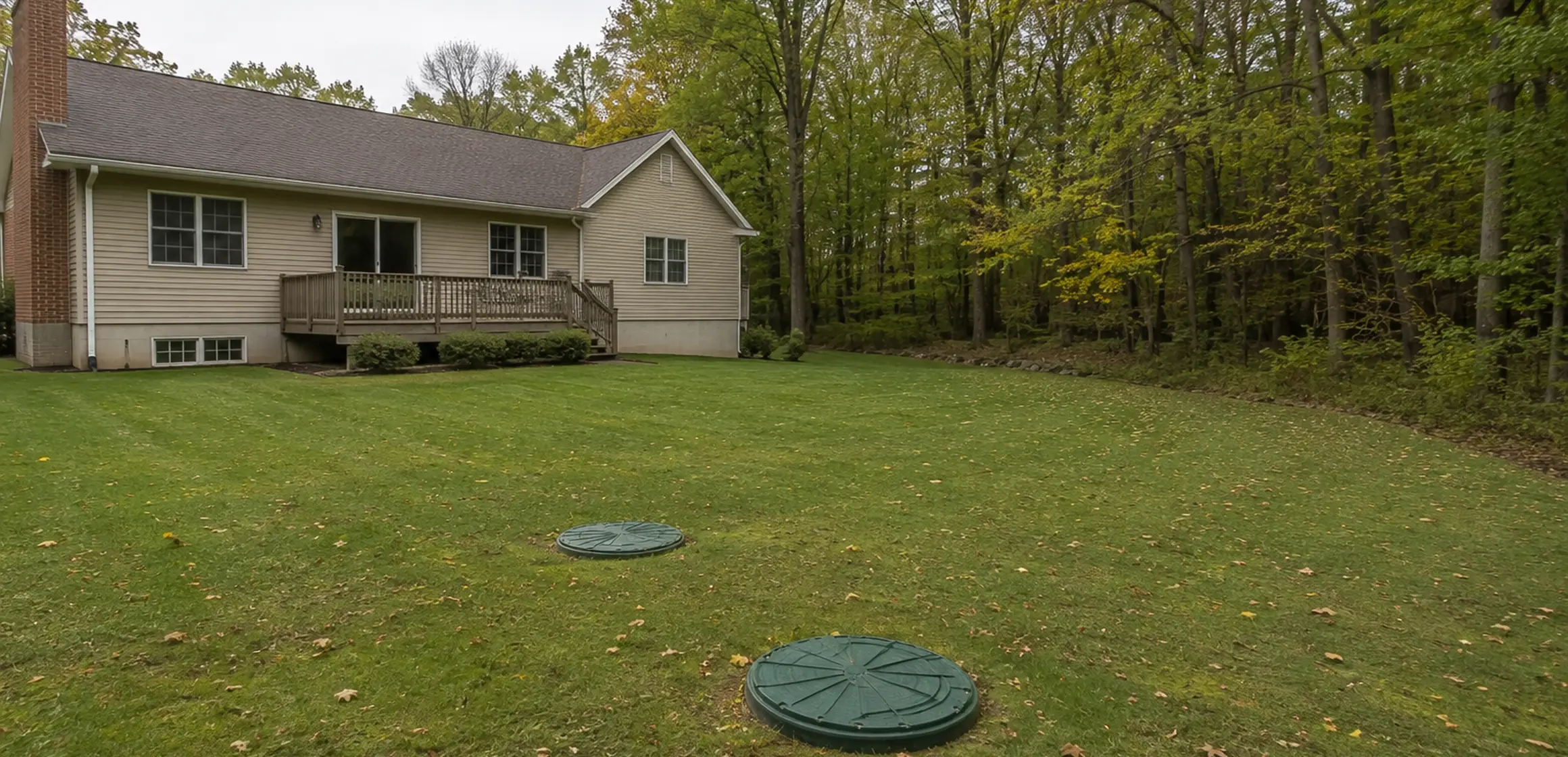
How much a septic tank costs in Washtenaw County
There is no dependable countywide price for replacing a septic tank. A contractor needs the property address, available permit or system records, access conditions, required tank specification, and the condition of the connected piping and drain field before defining the scope. Use a current written quote for the property.
What drives septic tank pricing
The tank is one component of the system. A project may also involve locating and exposing the tank, pumping, excavation, abandonment or removal of old components, inlet or outlet piping, risers, electrical work, permits, inspections, backfill, and site restoration. Work on the drain field is a separate and potentially larger scope.
Capacity, construction material, and installation details should follow the approved design and the requirements that apply to the address. Check the permit authority's records and the contractor's proposed design to identify the required tank.
Access can materially change labor and equipment needs. Ask each contractor to state assumptions about gates, slopes, decks, pavement, utilities, trees, haul routes, groundwater, and restoration so competing quotes describe the same work.
When a failing tank turns into a full replacement
Cracks, settlement, damaged baffles, leaking connections, or an unsafe cover can call for repair or replacement. The septic professional should inspect the drain field separately and identify which components were evaluated and which remained inaccessible.
Review what septic replacement involves before budgeting for a tank-only solution. If the drain field or distribution components also have defects, include them in the written scope.
Why costs differ across Washtenaw County
The applicable authority and approved system design depend on the parcel. Washtenaw County Environmental Health publishes information on sewage permits, soil evaluations, system sizing, minimum isolation distances, site plans, and certified installation and repair contractors.
Site conditions can change the approved location, equipment access, excavation, dewatering, and restoration work. Use the soil evaluation and permit process for the property, not a generalized description of a township or neighborhood.
Before comparing price, confirm which authority has jurisdiction and ask whether the quote includes current application fees, required evaluations, inspections, and any separate building, electrical, right-of-way, or restoration work.
How to verify the system before you close
Start with available well and septic records for the exact parcel. Older or altered systems may have incomplete records, so note what the file confirms and what still needs field verification.
Obtain a written inspection scope from a qualified septic professional. Ask whether the work includes locating and opening access points, evaluating the tank and visible connections, reviewing the drain field, pumping, flow or load testing, and documenting limitations.
For current requirements, fees, and contractor certification, check with Michigan EGLE and Washtenaw County Environmental Health directly. Only the reviewing authority can confirm what it will require for a proposed repair or replacement.
When comparing multiple homes with septic, place verified inspection, maintenance, and project costs beside the rest of the ownership budget before writing an offer.
How the tank fits into the larger septic system
The tank is one stage of treatment: it separates solids from liquid effluent before the effluent moves to the drain field for further treatment and dispersal in soil. Understanding how the components connect helps distinguish a tank concern from a broader system concern.
Our companion guide explains what a septic tank does within the full system. Understanding the components helps buyers check whether a quote addresses the diagnosed defect or only the most visible part.
Compare septic quotes on the same scope
Request the available permit records and schedule the inspection within the contract timeline. Compare itemized quotes that identify the tank, connected components, excavation, permits, restoration, and work excluded from the price.