
Think like the camera
The National Association of Realtors recommends evaluating staging through the camera because a lens can make scale, clutter, reflections, and uneven light more noticeable. Photographs should show the layout and condition clearly, not disguise them.
Before photos, decide what each image needs to show. Remove items that block circulation or major features, reduce counter clutter, clean glass and reflective surfaces, and make lighting consistent. Do not conceal a known defect behind furniture or editing.
Prepare each room and the exterior
- Walk the exterior first: roofline, gutters, front steps, porch, landscaping, driveway, and garage doors.
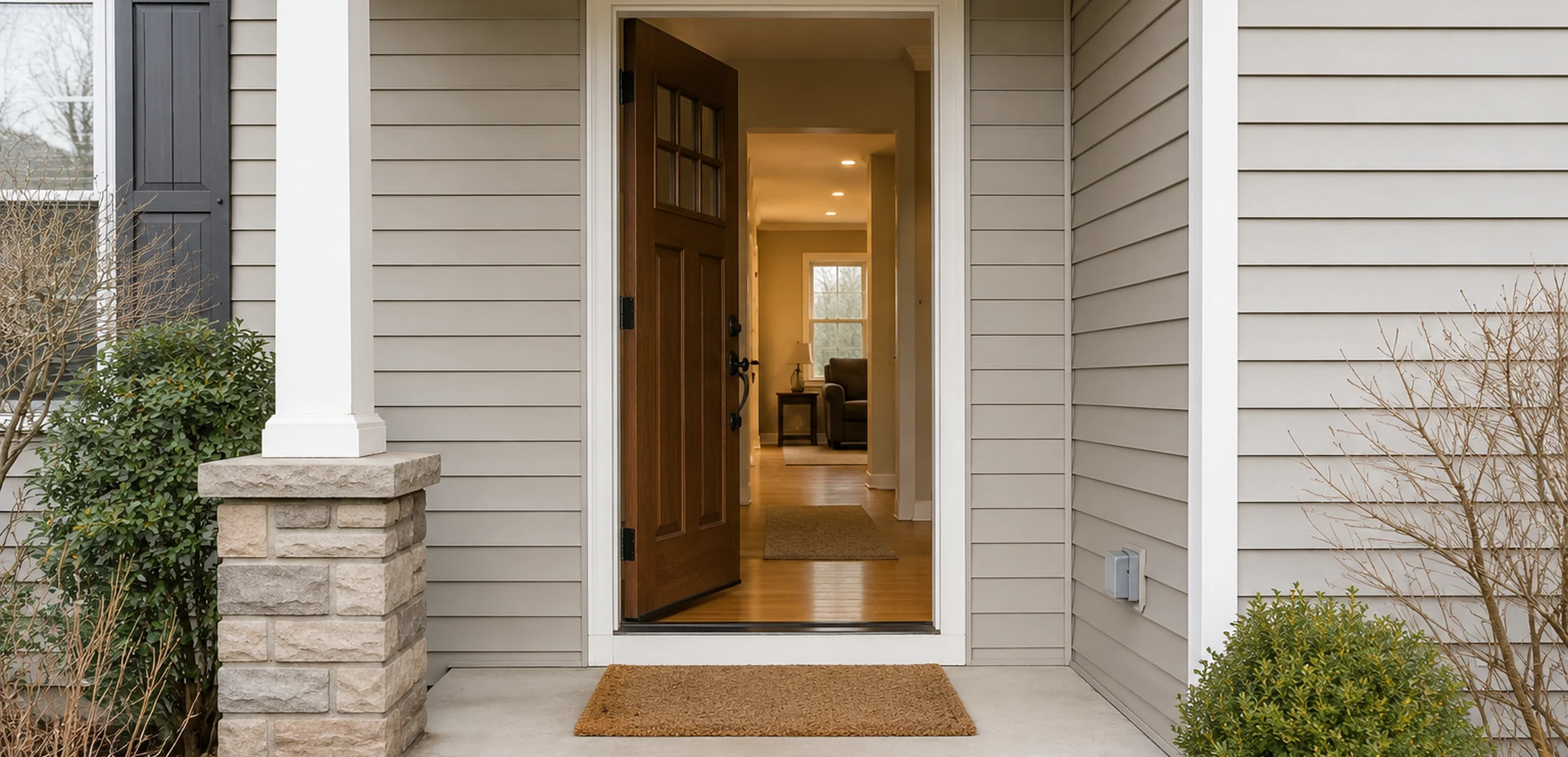
- Clean the entry and remove items that obscure the door, floor, or circulation path.
- Remove personal photos, extra decor, refrigerator clutter, and visible storage overflow.
- Turn on lights, replace burned-out bulbs, and open blinds before the photographer arrives.
- For older Ann Arbor homes, make basements and mechanical spaces clean, accessible, and well-lit.
- For acreage or septic properties around Dexter, gather well records, septic pumping receipts, and any Washtenaw County Environmental Health evaluations.
Prepare the paperwork too
Michigan's Seller Disclosure Act generally requires a written disclosure statement for covered residential transfers, subject to statutory exceptions. The form asks for the seller's current knowledge; it is not a warranty or a substitute for inspection. Ask a Michigan attorney about whether the Act applies to a particular transfer.
For country or acreage properties around Dexter, sellers should also gather well, septic, permit, and maintenance records where applicable.
Decide which work belongs before photography
Separate work that improves safety, access, cleanliness, or clear presentation from optional design changes. Compare cost, timing, disclosure obligations, likely market position, and the risk that an unfinished project delays the launch.
If the choice depends on the likely sale range, start with a valuation and compare the property with current competition before authorizing work.
Show the property clearly
Listing photos are more useful when they show the spaces a buyer will later inspect, including storage, basements, mechanical areas, parking, and outdoor condition where appropriate. Keep permanent features visible and use captions or listing copy for facts the image cannot establish.
For a listing plan, use the seller roadmap and share the home's condition, timing, available documents, and proposed work with Penn | Ewing.