
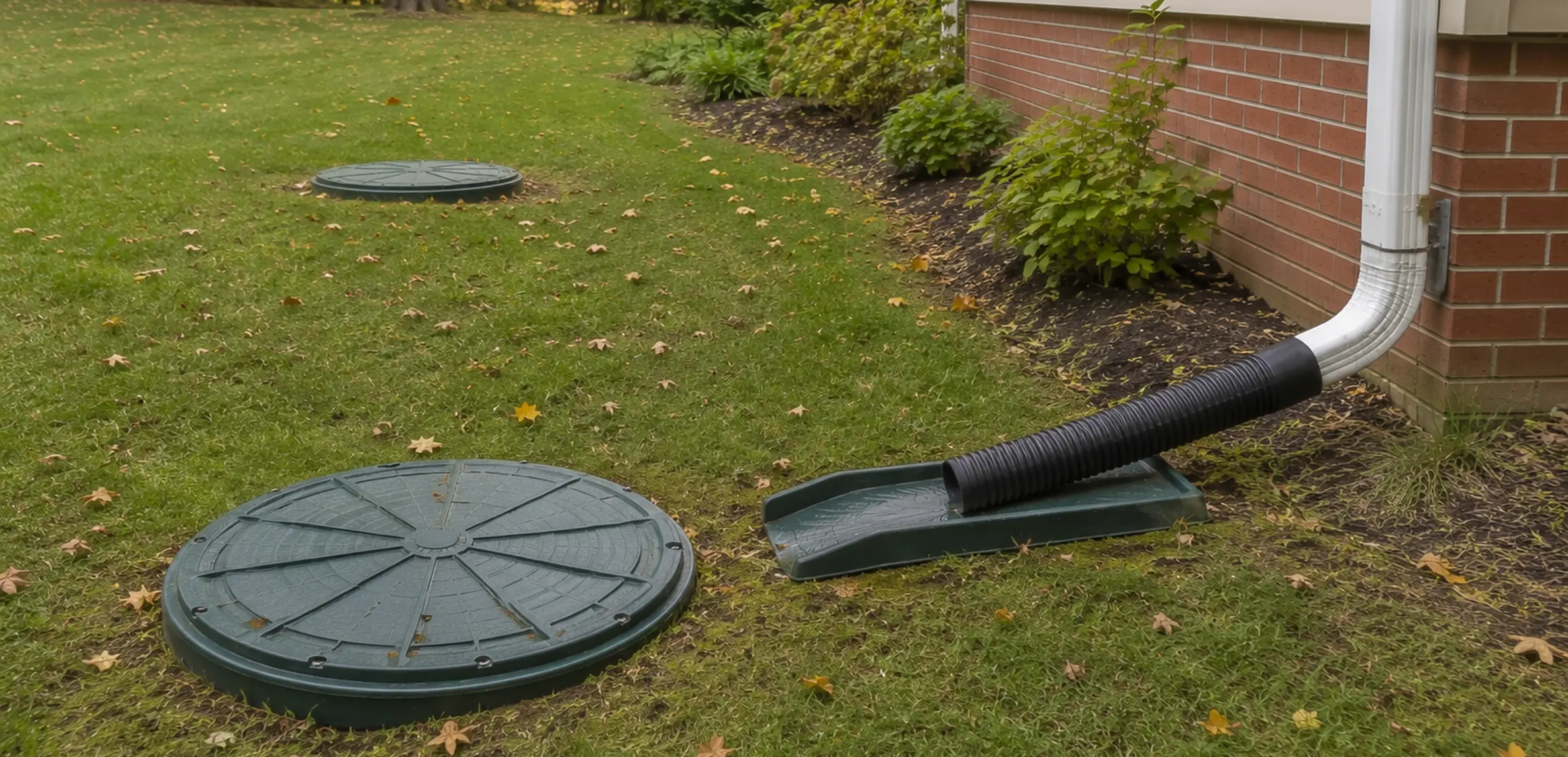
How a septic leach line works
A drain field is largely below grade, so assess its performance through available permit and site records and a current septic inspection that clearly documents its limitations.
In a conventional drain field, perforated distribution piping carries tank effluent into an approved soil absorption area for further treatment and dispersal. Designs and materials vary, so use the permit and approved plan to identify the components at the address. Washtenaw County describes its preconstruction review as a soil evaluation, which may contain more than a simple percolation rate.
EGLE explains that a properly sized drain field uses the upper soil profile and maintains an unsaturated separation from seasonal high groundwater. The approved design and soil evaluation for the parcel, not a generalized township description, are the starting points for understanding those conditions.
Inspect the drain field separately from the tank
The tank and drain field perform different jobs and can have different defects. Inspect the field separately after tank pumping or replacement to assess how it accepts and treats effluent.
When comparing addresses, record the documented design, maintenance history, accessible observations, inspection limits, and any current repair or replacement quote. Put those documented costs in the budget before the inspection contingency expires.
Include those ownership costs in the budget before writing an offer.
Washtenaw County permits and site requirements
Washtenaw County Environmental Health publishes the local process for soil evaluations, site plans, minimum isolation distances, sewage permits, sizing, and certified installation and repair contractors. EGLE provides statewide onsite-wastewater program oversight and technical resources.
Usable replacement area can be affected by the approved design, soil evaluation, groundwater separation, wells, structures, water features, easements, property boundaries, and other site constraints. Ask the reviewing authority what applies to the parcel.
An original permit or site plan shows what was approved at the time. Compare it with current field observations and the title or survey information relevant to later alterations and planned improvements.
Inspect the drain field before closing
Request available septic records from Washtenaw County Environmental Health. Note the system type, approved layout, and any reserve or replacement area shown, while recognizing that older files may be incomplete.
Ask the seller for maintenance, pumping, inspection, alarm, and repair records. Have the septic inspector interpret repeated service in the context of the installed system and current findings.
Ask a qualified septic professional to describe the proposed inspection method and whether it can evaluate the tank outlet, distribution components, pumps, controls, and drain field. A camera or flow test has limits and may not be appropriate or sufficient for every system.
If a planned addition, fence, pool, or outbuilding could affect the system, compare the approved septic layout with current boundary, easement, and survey information. Confirm current isolation-distance and permit requirements with the authority before relying on a project plan.
Signs that require professional diagnosis
Wet or unusually lush areas, odors, slow drains, gurgling, backups, alarms, or an abnormal liquid level can justify further professional evaluation, but none identifies the failed component by itself. Surface water and plumbing defects can produce overlapping symptoms.
When a professional concludes that the drain field cannot perform as intended, ask the reviewing authority and certified contractor to define the permitted repair or replacement path. What septic replacement involves explains the documents and scope questions to ask.
Drain-field repair and replacement costs
Repair or replacement pricing depends on the diagnosed component, approved design, site access, excavation, utility conflicts, abandonment work, and restoration. Review how to compare septic inspection quotes before scheduling.
A full system scope may include the tank, distribution components, pumps or controls, and a new drain field. Use the septic system cost guide to compare quote inclusions, then obtain current written estimates for the address.
Document the drain field before closing
Request available permit records before the inspection deadline and leave time for any needed contractor quote. The permit authority and septic inspector should confirm the approved design, current condition, compliance questions, and proposed work for the address.