
Seasonal maintenance in Washtenaw County
Washtenaw County's weather affects when homeowners should inspect and maintain a property. Follow the installed equipment's instructions and the service intervals recommended by each provider.
Regular checks can catch small problems early and keep records organized for future maintenance or a sale.
Spring: thaw, drainage, and septic timing
After the ground thaws, walk the exterior with drainage in mind. Check gutters, downspout extensions, grading, window wells, and visible cracks. Standing water or water moving toward the foundation warrants follow-up for that property.
For homes on septic, review inspection, pumping, and maintenance records on a routine suited to the installed system. EPA guidance says pumping frequency depends on factors including tank size, household size, wastewater volume, and solids; a service provider can measure the tank and recommend the next interval.
Summer: growth, exterior work, and pre-listing prep
Warm months are the window for exterior paint, caulk, deck repair, and roof work. Trim vegetation away from siding and rooflines before summer storms drop branches. Watch how water moves during heavy rain: ponding, saturated spots, or basement seepage are easier to diagnose when they are happening than to explain later.
If you may list in fall, start decluttering and repair planning with enough lead time to get written scopes, compare providers, and complete only the work that fits the sale plan.
Fall: winterize before the first hard freeze
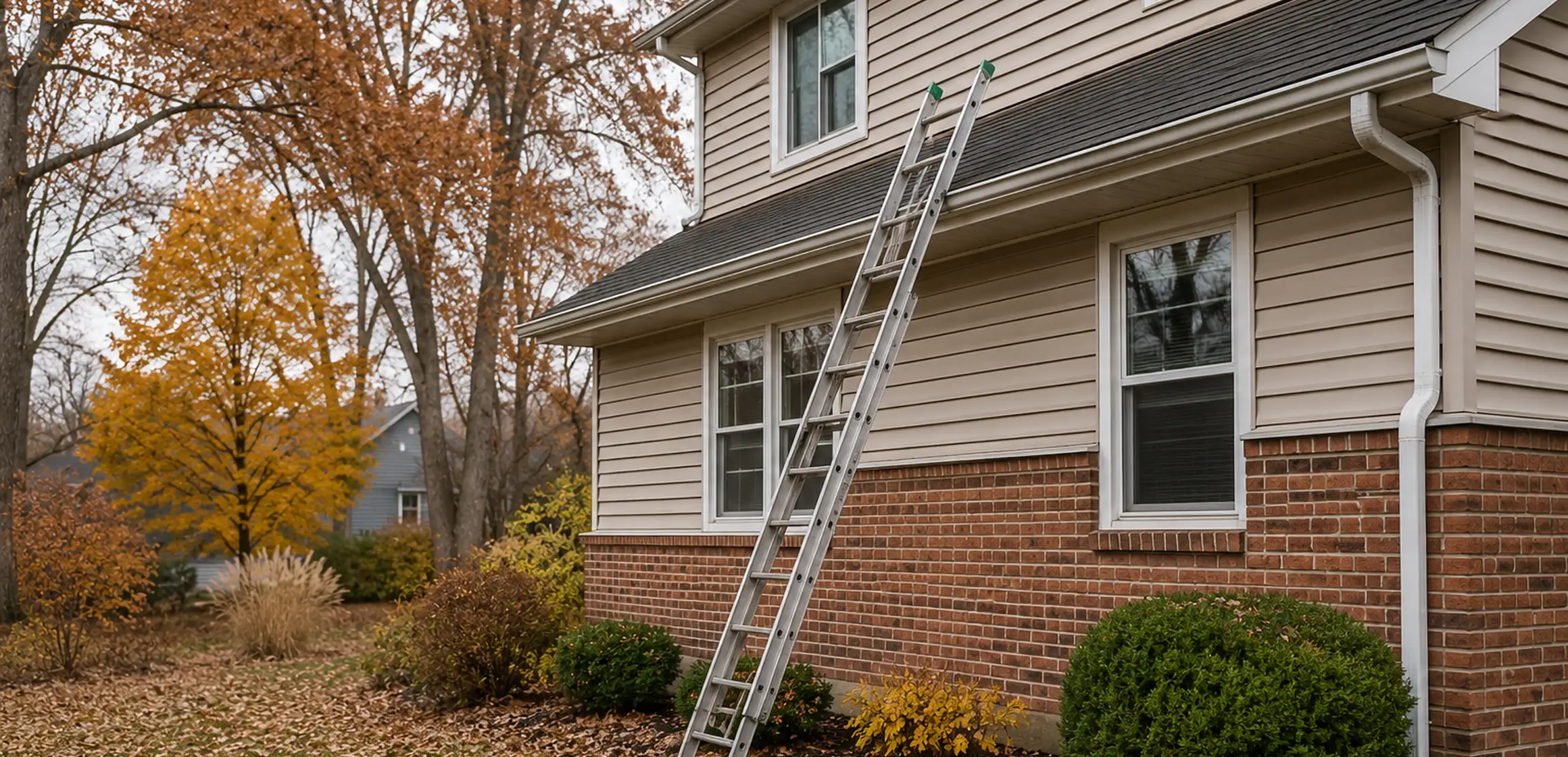
Before sustained freezing weather, clean gutters after leaf drop, confirm downspouts discharge well away from the foundation, and service the furnace and replace filters before heating season. Winterize hose bibs and irrigation systems. Inspect weatherstripping and attic insulation before the cold sets in.
Michigan local taxing units commonly issue separate summer and winter property-tax bills, with dates that can vary by charter or local practice. Check the city or township treasurer's current statement. For a sale, use the purchase agreement and closing figures to confirm the proration method rather than assuming one universal treatment.
Winter: ice, snow load, and slow-season planning
Keep snow and ice managed around entries, sidewalks, and driveways. Watch for ice buildup at roof edges, condensation, attic frost, and basement moisture during thaw cycles. Ask a roofer, insulation contractor, or drainage contractor to evaluate recurring conditions, as applicable.
Winter tax levies are commonly issued by the local taxing unit in December. Use the season to gather manuals, permits, service records, and utility history. If you plan to list in spring, ask prospective providers about current lead times before setting the schedule.
Maintenance records and resale
Maintenance records give buyers and inspectors a dated history of completed work. Retain invoices and written scopes so follow-up questions can be answered accurately.
Compare any proposed repair or renovation with the likely sale plan, timing, and written estimates.