
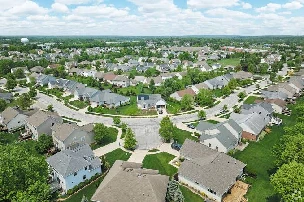
Start with function, not the subdivision name
A subdivision search can narrow housing age, street layout, lot pattern, association structure, or access to a particular route. Homes within the same development can still differ in condition, additions, grade, parking, utilities, and the owner's maintenance responsibility.
Confirm municipal jurisdiction through county records and school assignment with Dexter Community Schools for the exact address. A Dexter mailing address and subdivision name are only search labels.
Compare the daily details
- Drive the route to Ann Arbor during your usual commuting time, not only on a weekend.
- Walk the pedestrian route and observe sidewalks, crossings, street lighting, snow-storage areas, and vehicle circulation.
- Review the HOA or condominium documents, architectural rules, dues, insurance, reserves, assessments, and rental restrictions when applicable.
- Compare lot usability, privacy, basement type, and storage along with square footage.
- Check the parcel and current tax record, then estimate the buyer's likely post-transfer tax instead of copying the seller's bill.
What sellers should know
Subdivision sellers can make the home easier to compare by documenting condition, permitted alterations, finished space, parking, lot features, utilities, and update history. Provide association records and known assessment information early when applicable.
Organized home-maintenance and utility records give buyers evidence in place of a general condition claim.
Review the property before writing an offer
Before writing an offer, review the seller disclosure, parcel data, post-purchase tax assumptions, school confirmation, association documents, inspection priorities, and the closest relevant listings and sales.
Use the buyer tools to organize the comparison and the school-district lookup to reach official address-verification resources.