
Once your offer is accepted, the home inspection is your best chance to find out what you're really buying. In a market with century-old homes on the Old West Side, 1960s ranches in Dexter and brand-new builds in Saline, what an inspector finds can vary a lot from one house to the next. Here's how the process works, what Ann Arbor area inspectors often flag, and how to use the report.
What a Home Inspection Is (and Isn't)
A home inspection is a visual review of the parts of a home an inspector can safely reach: the structure, roof, plumbing, electrical, heating and cooling, and interior. It is not an appraisal. An appraisal estimates what the home is worth for the lender. An inspection tells you about its condition.
It also isn't a pass or fail test. Even a well-kept home will have a list of findings. The goal is to separate the small items from the ones that affect safety, your budget, or your decision to buy. Keep in mind that inspectors can't see inside walls or predict what will fail next year, so the report is a snapshot of the home on that day.
What a Standard Inspection Covers
Structure and Foundation
Inspectors look at visible foundation walls, floors and framing for cracks, sloping, settling and signs of water. A serious concern usually leads to a recommendation for a structural engineer.
Roof, Gutters and Exterior
Shingles, flashing, gutters, downspouts, siding, windows, doors and the grading around the house. Inspectors watch for worn roofing, water stains and drainage that sends water toward the foundation.
Plumbing
Supply lines, drains, fixtures and the water heater. Leaks, slow drains and aging parts are common findings, and bigger issues get referred to a licensed plumber.
Electrical
The panel, visible wiring, outlets, switches and fixtures. Inspectors flag safety hazards, outdated equipment and amateur wiring for a licensed electrician to review.
Heating, Cooling and Ventilation
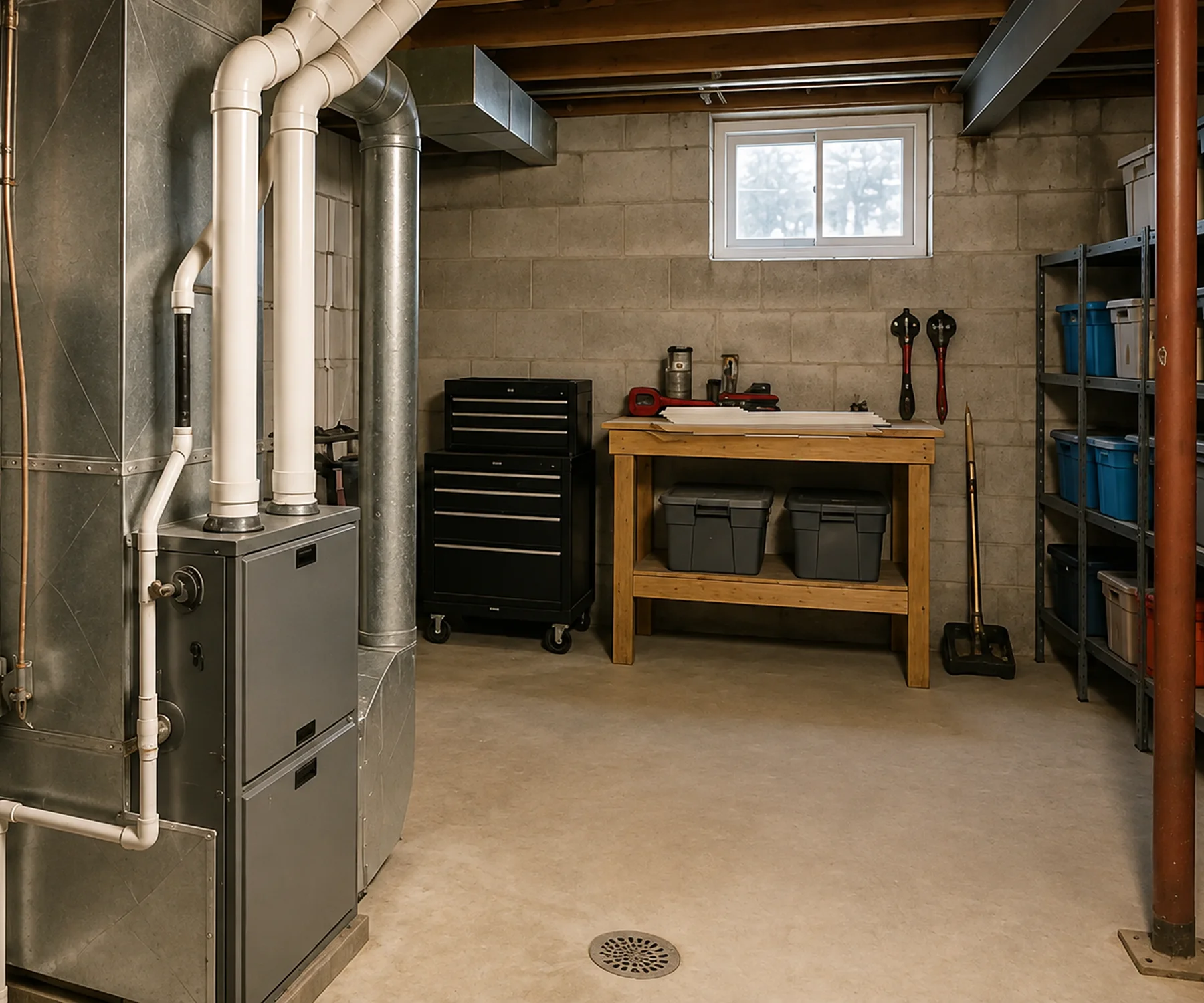
The furnace, air conditioning, thermostat and the ductwork they can see. They run the systems when the weather allows, but a detailed mechanical evaluation is a separate service.
Interior, Attic and Insulation
Walls, ceilings, floors, stairs, windows and the attic. Inspectors look for moisture damage, poor ventilation and thin or missing insulation.
What Inspectors Often Find Around Ann Arbor
Older homes and aging systems. Many established Ann Arbor neighborhoods have homes with original plumbing, older electrical panels and heating equipment near the end of its life. Ask how old the major systems are, not just whether they work today.
Freeze and thaw. Michigan winters and spring thaws move the soil around a foundation. Hairline cracks are common. Wider cracks, uneven floors or water marks deserve a closer look.
Basement water. Heavy storms and snowmelt test basements, crawl spaces and sump pumps. Musty smells, white mineral residue on walls and water stains are clues. Check that the sump pump runs and that gutters and downspouts carry water away from the house. If the home is near a creek or low area, it's also worth checking the flood map.
Winter wear on roofs and attics. Ice dams, damaged shingles and attic moisture often trace back to insulation and ventilation, which also affect heating bills.
Trees and sewer lines. Mature trees are part of the charm, but roots can work their way into older sewer lines.
Extra Inspections Worth Considering
A general inspection doesn't cover everything. Depending on the home, you may want:
- Radon testing. Radon is a natural gas that can seep in through the foundation, and elevated levels are common in Michigan homes. Testing is quick and separate from the standard inspection.
- Sewer scope. A camera run through the main sewer line to look for cracks, roots and blockages. Most useful for older homes and lots with big trees.
- Pest inspection. Checks for termites, carpenter ants and the moisture conditions that attract them.
- Lead paint and asbestos. Homes built before 1978 may have lead-based paint, and older homes may have asbestos in insulation or flooring. Get these checked by certified professionals before you renovate.
- Well and septic. Common outside the city. Well water should be tested, and septic systems need their own inspection.
- Chimney. A chimney inspection can catch damage or fire hazards before your first fire.
Ann Arbor's Home Energy Score. Inside the City of Ann Arbor, sellers have to disclose a Home Energy Score under the city's Home Energy Rating Disclosure (HERD) rule. The score gives you a sense of energy use and costs, and you can look reports up by address on the city's HERD map.
Choosing an Inspector
Michigan doesn't have a statewide license for home inspectors, so it's up to you to check experience and credentials. Ask:
- How long have you inspected homes here, and how many older homes do you see?
- Can I see a sample report?
- What's included, and what costs extra (radon, sewer scope)?
- Do you carry liability insurance, and do you follow a recognized standard such as ASHI's?
Your agent can share inspectors other clients have been happy with. Whoever you choose, plan to attend the inspection so you can ask questions as you go.
Timing and Using the Report
Your purchase agreement sets a deadline for inspections and for any objections, so schedule the inspection as soon as your offer is accepted. Specialist follow-ups take time to book.
When the report arrives, sort it into three groups:
- Safety issues and major defects. These are the items worth negotiating.
- Repairs coming in the next few years. Useful for budgeting, and sometimes for a credit.
- Routine maintenance. Normal homeowner items, not usually worth asking the seller to fix.
From there, your agent can help you decide whether to ask for repairs, a price reduction or a closing credit, or to move on from the home. A focused request on the items that matter tends to go further than a long list.
Thinking About Buying?
The Penn | Ewing team helps buyers across Ann Arbor, Dexter, Saline, Chelsea and Ypsilanti through every step, from the earnest money deposit to inspections and repair negotiations. If you'd like help, reach out and we'll walk you through it.