
Why a battery backup is worth checking before closing
Test how the system responds to a power outage, switch failure, pump fault, or inflow beyond the primary pump's capacity. A backup is one risk-control option, and it must be installed, maintained, and tested for the installed system.
The City of Ann Arbor provides local sump-pump maintenance and backup resources and encourages owners to review insurance coverage for basement flooding. Equipment, maintenance, drainage, alarms, emergency planning, and insurance are separate layers; no single layer guarantees a dry basement.
How a battery backup system works
Backup configurations vary. Some use a separate direct-current pump and battery; others use a controller or inverter arrangement. Battery chemistry, charger, controls, alarm, float positions, pumping capacity, and rated runtime depend on the product and installation.
A backup may respond to certain primary-pump or power problems, but a shared blocked discharge can affect both pumps. Our basement water and sump-pump guide explains how the basin, pumps, drainage, and discharge fit together.
Match backup capacity to the property
Backup need cannot be determined from a countywide soil or weather claim. Consider observed inflow, primary-pump cycling, basin and discharge design, outage history from reliable records, whether the property is occupied during storms, and the value or vulnerability of basement finishes and equipment.
The City of Ann Arbor notes that basement flooding can result from storms, snowmelt, groundwater buildup, leaks, seepage, or poor yard drainage. Ask the inspector or plumber which causes affect the home and whether battery, water-powered, generator, dual-pump, alarm, or other options are compatible.
If off-site drainage records or public infrastructure are relevant, ask the Washtenaw County Water Resources Commissioner's Office and the property's municipality what each can confirm for the address.
Ask the insurer what water-backup, seepage, flood, equipment-breakdown, and personal-property coverage applies. The policy terms determine coverage, and the backup system reduces only the risks it is designed to handle.
How to test and verify a sump pump battery backup
Record the manufacturer, model, battery specification, installation date if documented, indicator status, and maintenance or replacement history. Compare those details with the current manufacturer instructions for that model.
Have the inspector or qualified contractor test the backup in a controlled manner consistent with those instructions. The report should state whether the backup activated, moved water, stopped, sounded an alarm, and shared any vulnerable component with the primary system. Record the test duration and conditions so its limits are clear.
Trace the visible discharge and confirm that water goes to an approved location away from the foundation without an obvious freeze, blockage, or recirculation issue. Keep these findings with the inspection record.
If the backup fails a test
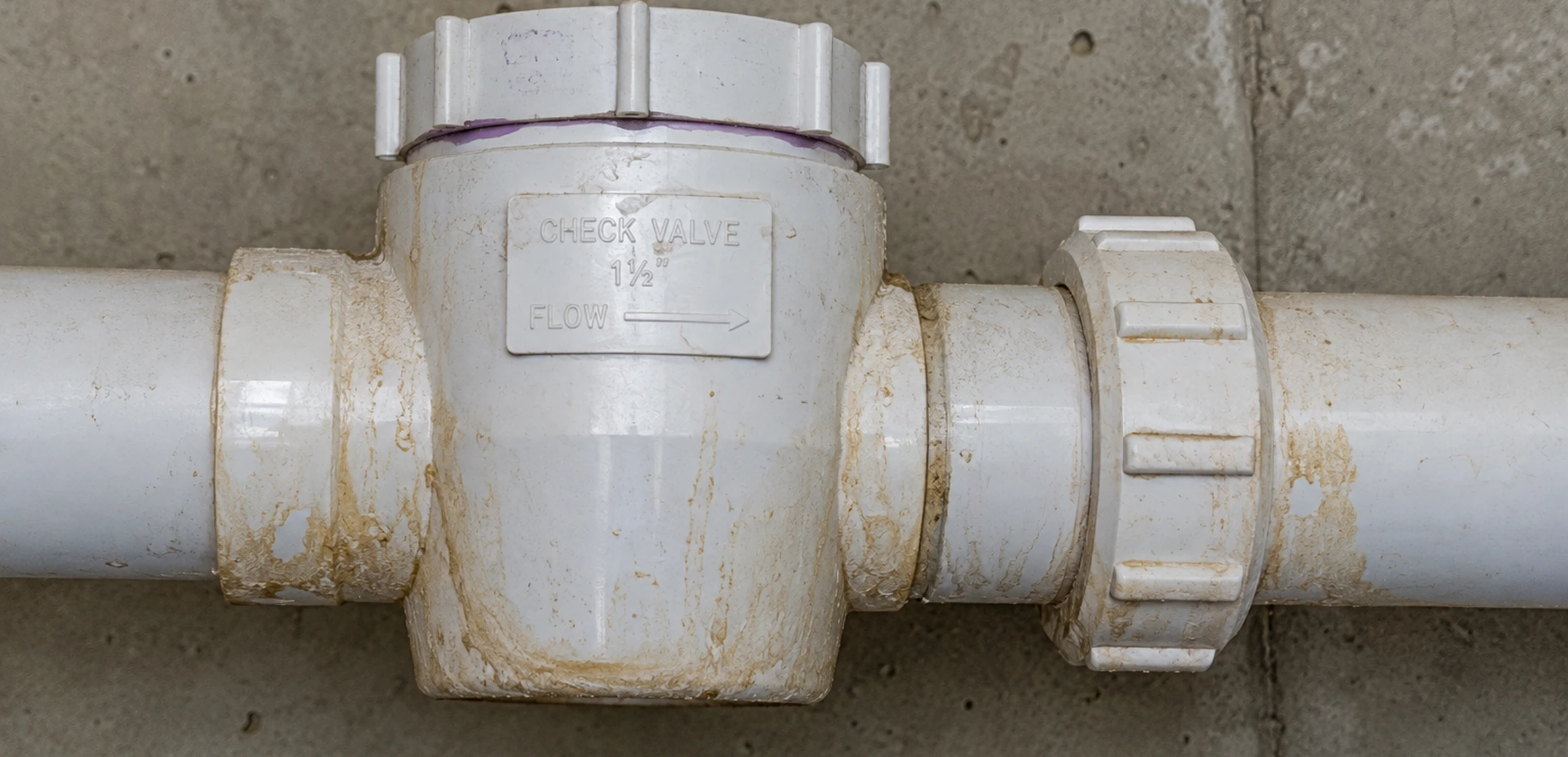
A backup problem can involve the battery, charger, controller, alarm, float, pump, power connection, check valve, or discharge. The meaning of a light or alarm depends on the model, so check the manual or ask a plumber or electrician before replacing the battery.
If either pump cycles unusually or fails to move water, stop the test and seek diagnosis. See what to check before calling for sump-pump repair for the observations to document.
What a battery backup adds to the total cost
Cost depends on the backup design, pump and battery specifications, controls, alarm or monitoring, basin space, discharge and check-valve changes, electrical or plumbing work, permits if applicable, installation testing, and warranty.
Use the sump-pump replacement cost guide to compare itemized scope, then obtain current written quotes. Ask each provider to state capacity and runtime assumptions instead of relying on a marketing label.
Document and test the backup system
Gather the seller's documents, service records, inspection findings, and written quotes. Record the model, battery age, alarm and controller condition, test result, discharge route, and any work recommended by the inspector, plumber, or electrician.